
Call us now :08045479309
 Send Inquiry
 Send Inquiry
Heavy Duty Rolling Mill
MOQ : 1 Piece
Heavy Duty Rolling Mill Specification
- Type
- Heavy Duty Rolling Mill
- Material
- Mild Steel
- Capacity
- 20-50 Ton/Day
- Computerized
- No
- Automatic Grade
- Automatic
- Control System
- PLC Control
- Voltage
- 415 V
- Power
- 15-120 kW
- Weight
- 6000-20000 kg
- Noise Level
- Low (<80 dB)
- Roll Material
- Alloy Steel
- Surface Finish
- Polished
- Roll Diameter
- 300-800 mm
- Usage
- Steel and Non-Ferrous Metal Roll Forming
- Operating Temperature
- Up to 70C
- Application
- Industrial Metal Forming
- Installation Type
- Floor Mounted
- Safety Features
- Emergency Stop, Overload Protection
- Max Rolling Speed
- Up to 15 m/min
- Motor Type
- AC Electric
- Roll Width
- 400-1200 mm
- Main Frame Structure
- Heavy Fabricated Steel
- Driven Type
- Electric
- Cooling System
- Integrated Water Cooling
Heavy Duty Rolling Mill Trade Information
- Minimum Order Quantity
- 1 Piece
- Payment Terms
- Cheque, Cash Advance (CA)
- Supply Ability
- Piece
- Delivery Time
- Week
- Main Export Market(s)
- Australia, Eastern Europe, Middle East, Africa, Western Europe, Central America, South America, Asia, North America
- Main Domestic Market
- All India
About Heavy Duty Rolling Mill
Strongly focused towards the current and future technological needs of our clients, we manufacture, export and supply versatile Heavy Duty Rolling Mill that is robust in construction. The offered mill is efficiently developed at our well-equipped manufacturing unit with the utilization of first-grade components and the innovative technology. Widely used for milling operations, this Heavy Duty Rolling Mill is available with us in various technical specifications as per the application needs of the clients at budget-friendly costs.
Features:
-
Sturdy construction
-
Superior functionality
-
Energy efficient
-
Negligible maintenance
Robust Construction and Performance
Engineered with a heavy fabricated steel main frame and high-grade alloy steel rolls, this rolling mill stands out for its durability and steady performance. The equipments powerful motor and precision engineering allow for efficient metal forming, supporting rigorous industrial demands daily. Its polished surface finish ensures consistent product quality throughout usage.
Advanced Safety and Control Features
Safety is prioritized with integrated emergency stop systems and overload protection. The floor-mounted installation, PLC control, and automatic operation streamline processes, allowing for safer, user-friendly management on industrial floors. The mill operates quietly with noise levels under 80 dB, promoting a safer work environment.
Optimized for Efficiency and Versatility
The rolling mill is designed for handling a capacity of 2050 tons per day, accommodating a wide range of roll diameters and widths. Its versatile configuration is suitable for both steel and non-ferrous metals, making it an excellent choice for exporters, manufacturers, and suppliers seeking productivity and flexibility in metal forming operations.
FAQs of Heavy Duty Rolling Mill:
Q: How does the integrated water cooling system benefit the rolling mills operation?
A: The integrated water cooling system helps maintain optimal operating temperatures during the rolling process, preventing overheating of critical components. This ensures consistent performance, prolongs equipment lifespan, and maintains the metals mechanical properties throughout shaping.Q: What types of metals can be processed with this heavy duty rolling mill?
A: This rolling mill is engineered to handle both steel and non-ferrous metals, accommodating a variety of industrial metal forming applications. Its robust alloy steel rolls and adjustable widths make it versatile for different material requirements.Q: When should maintenance be performed on the rolling mill?
A: Routine maintenance should be scheduled based on operational hours and manufacturer recommendations. Regular inspection of mechanical parts, cooling systems, and PLC components is essential for reliable functioning and to minimize unexpected downtime.Q: Where is the ideal installation location for this rolling mill?
A: The mill is designed for floor-mounted installation on sturdy industrial floors, ensuring stability and support during operation. Proper placement should allow for sufficient space around the unit for material handling and maintenance access.Q: What is the process for adjusting roll diameter and width on this machine?
A: Adjustments can be made within the specified roll diameter range (300800 mm) and width (4001200 mm) by configuring the machines settings according to specific job requirements. The automatic PLC control system allows precise parameter selection for optimized production results.Q: How does the PLC control system enhance usability?
A: The PLC control system enables user-friendly operation by automating rolling parameters, monitoring safety systems, and optimizing productivity. Operators can efficiently manage production settings and respond promptly to safety alerts, improving process control and efficiency.Q: What are the main benefits of using this heavy duty rolling mill for manufacturers and suppliers?
A: Manufacturers and suppliers benefit from high capacity (up to 50 tons/day), consistent surface finish, advanced safety features, and reliable automation. The machines versatility and efficiency contribute to increased productivity and reduced operational costs in metal forming applications.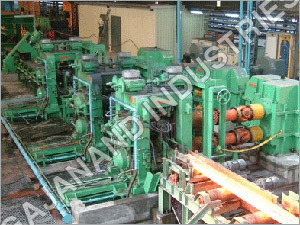
Tell us about your requirement

Price:
Quantity
Select Unit
- 50
- 100
- 200
- 250
- 500
- 1000+
Additional detail
Mobile number
Email

More Products in Rolling Mill Machinery Category

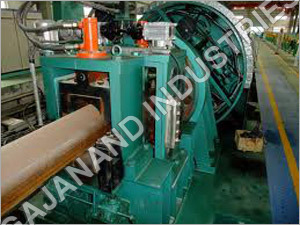
Continuous Rolling Mill Machine
Minimum Order Quantity : 1 Piece
Capacity : Up to 10 Ton/Day
Computerized : Yes
Weight : Approx. 815 Tons
Control System : Other, PLC Controlled
Type : Other, Continuous Rolling Mill
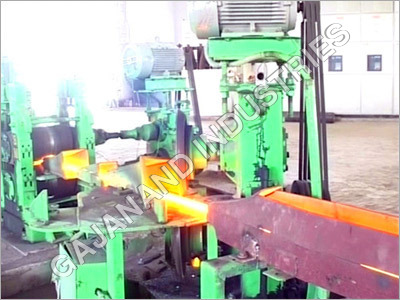
Decoiling Mill
Minimum Order Quantity : 1 Unit
Capacity : 2 30 Tons
Computerized : No
Weight : 2500 Kg
Control System : Other, PLC
Type : Other, Decoiling Mill
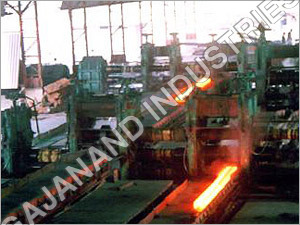
Fix Rotary Pinch Roll
Minimum Order Quantity : 1 Unit
Capacity : Up to 15 Ton
Computerized : No
Weight : Approx. 1500 kg
Control System : Other, PLC Controlled
Type : Other, Rotary Pinch Roll
Structure Rolling Mill
Minimum Order Quantity : 1 Piece
Capacity : Up to 30 ton/hour
Computerized : Yes
Weight : Approx. 95 tons
Control System : PLC Control
Type : Other, Structure Rolling Mill

 Send Inquiry


Our Products

26, Madhu Milan Estate, Naroda GIDC, Phase-I, Ahmedabad - 382330, Gujarat, India

Mr. Nikunj Bhavsar
(Proprietor )
Mobile :08045479309
 Send Inquiry
 Send SMS
Developed and Managed by Infocom Network Private Limited.
