
Call us now :08045479309
 Send Inquiry
 Send Inquiry
Rolling Mill Ejector Machine
Price 650000 INR/ Piece
MOQ : 1 Piece
Rolling Mill Ejector Machine Specification
- Type
- Hydraulic Ejector Machine
- Material
- Mild Steel
- Capacity
- 1500 kg/hr
- Computerized
- No
- Automatic Grade
- Semi-Automatic
- Control System
- PLC Based
- Voltage
- 415 V AC
- Power
- 15 kW
- Weight
- 1200 kg
- Safety Features
- Emergency Stop, Overload Protection
- Ambient Temperature Range
- 0C to 50C
- Hydraulic Pressure
- 200 Bar
- Operation Mode
- Manual/Auto
- Body Finish
- Painted/Coated
- Ejector Stroke
- 1000 mm
- Mounting
- Floor Mounted
- Cylinder Material
- High Tensile Steel
- Max Ejecting Force
- 25 Ton
- Usage/Application
- Steel Rolling Mill
- Oil Tank Capacity
- 300 Liters
- Production Rate
- Upto 1500 kg/hr
- Maintenance
- Low Maintenance Design
- Structure
- Heavy Duty Welded Frame
- Cooling System
- Water Cooled
Rolling Mill Ejector Machine Trade Information
- Minimum Order Quantity
- 1 Piece
- Payment Terms
- Cheque, Cash Advance (CA)
- Delivery Time
- Week
- Main Export Market(s)
- Australia, Eastern Europe, Africa, Western Europe, Central America, Middle East, South America, Asia, North America
- Main Domestic Market
- All India
About Rolling Mill Ejector Machine
Having customer satisfaction at priority, we meet the demands of the customers by providing high grade Rolling Mill Ejector Machine. This machine is tested on various quality parameters by our adroit professional to ensure its flawlessness. The provided machine is widely used for making metal and steel sheets, plates, rods and pipes thus highly demanded at fabrication and automobile industries and furnaces. Moreover, our valuable clients can avail this Rolling Mill Ejector Machine from us in bulk at industry leading prices.
Key Points:
- Durable finish
- Long service life
- High operational fluency
- Precisely engineered
Heavy-Duty Performance and Reliability
Engineered to handle the demands of steel rolling mills, the Rolling Mill Ejector Machine offers exceptional durability through its heavy-duty welded frame and high tensile steel cylinder. With a powerful hydraulic system, it efficiently manages billet ejection, even in high-volume production environments. Built to withstand harsh conditions, its painted or coated body finish protects against wear and corrosion, ensuring lasting performance.
Advanced Operational Features and Safety
This ejector machine features both manual and PLC-based automatic controls, providing flexibility for different operational preferences. Equipped with robust safety measures, including an emergency stop and overload protection, it prioritizes operator safety. The user-friendly interface and semi-automatic grading streamline the ejection process, reducing manual intervention while safeguarding the system against unexpected faults.
Efficiency and Low Maintenance Design
With a cooling system that uses water, the machine maintains optimal temperatures during operation, extending component life. The low maintenance design reduces downtime, and the spacious 300-liter oil tank ensures smooth hydraulic performance. Its efficient hydraulic power, with a 15 kW rating, makes it ideal for continuous operation across a 0C to 50C temperature range.
FAQs of Rolling Mill Ejector Machine:
Q: How does the Rolling Mill Ejector Machine operate within a steel rolling mill?
A: The machine uses a hydraulic mechanism to eject billets or ingots from rolling stands. Its powerful hydraulic cylinder, driven by a 15 kW motor and operating at 200 Bar pressure, delivers a 25-ton maximum ejection force. Control can be manual or managed via a PLC-based system, adapting to various production needs.Q: What are the main benefits of using this hydraulic ejector in steel rolling mills?
A: Key advantages include high production rates (up to 1500 kg/hr), consistent performance with low maintenance, and enhanced safety from features like emergency stop and overload protection. Its robust construction guarantees reliable service even in demanding industrial settings.Q: When should maintenance procedures be performed on the ejector machine?
A: Routine checks of hydraulic fluid, visual inspections of hoses and seals, and cleaning the cooling system should be conducted as per the manufacturers guidelines. Thanks to its low maintenance design, the intervals between major services are extended, minimizing operational downtime.Q: Where is the Rolling Mill Ejector Machine typically installed?
A: This equipment is floor-mounted within steel rolling mills, adjacent to rolling stands where billet ejection is required. Its heavy-duty welded frame and stable mounting ensure safe and efficient operation in a fixed workspace.Q: What is the process for operating the ejector machine in automatic and manual modes?
A: Operators can switch between manual control, which allows for direct intervention, and PLC-based semi-automatic mode for streamlined processing. In both modes, the ejection process is initiated, the hydraulic cylinder extends, and billets are promptly ejected from the rolling stand.Q: How does the water-cooled system enhance machine efficiency?
A: The integrated water-cooling system regulates hydraulic temperatures, maintaining efficient, reliable operation during continuous use and extending the lifespan of critical components even in high-load scenarios.Q: What safety features are included to protect operators and equipment?
A: Essential safeguards include an emergency stop function for immediate shutdown and overload protection to prevent equipment damage or hazardous situations. These features are vital for ensuring operational safety and compliance with industrial standards.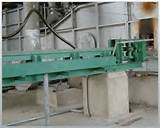
Tell us about your requirement

Price:
Quantity
Select Unit
- 50
- 100
- 200
- 250
- 500
- 1000+
Additional detail
Mobile number
Email

More Products in Rolling Mill Machinery Category
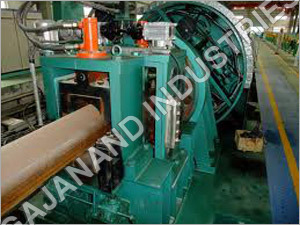
Decoiling Mill
Minimum Order Quantity : 1 Unit
Material : Mild Steel
Type : Other, Decoiling Mill
Automatic Grade : SemiAutomatic
Capacity : 2 30 Tons
Weight : 2500 Kg
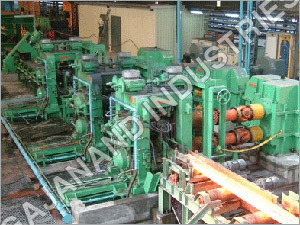
Heavy Duty Rolling Mill
Minimum Order Quantity : 1 Piece
Material : Mild Steel
Type : Other, Heavy Duty Rolling Mill
Automatic Grade : Automatic
Capacity : 2050 Ton/Day
Weight : 600020000 kg
Industrial Roughing Mill
Minimum Order Quantity : 1 Piece
Material : Mild Steel
Type : Other, Industrial Roughing Mill
Automatic Grade : Automatic
Capacity : 520 Ton per Day
Weight : 12000 kg
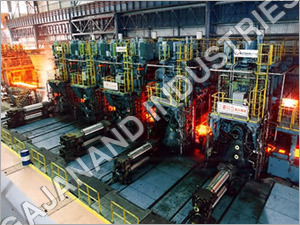
Continuous Finishing Mill
Minimum Order Quantity : 1 Piece
Material : Alloy Steel
Type : Other, Continuous Finishing Mill
Automatic Grade : Automatic
Capacity : 10150 TPH
Weight : 2080 Tons

 Send Inquiry


Our Products

26, Madhu Milan Estate, Naroda GIDC, Phase-I, Ahmedabad - 382330, Gujarat, India

Mr. Nikunj Bhavsar
(Proprietor )
Mobile :08045479309
 Send Inquiry
 Send SMS
Developed and Managed by Infocom Network Private Limited.
