
Call us now :08045479309
 Send Inquiry
 Send Inquiry
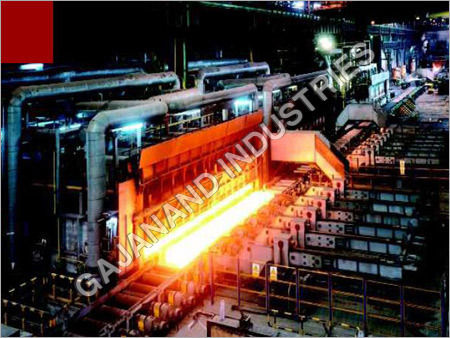
Steel Melting Plant
MOQ : 1 Piece
Steel Melting Plant Specification
- Automation Grade
- Automatic
- Temperature Range
- Up to 1700C
- Motor Power
- 22 kW
- Frequency
- 50/60 Hz
- Efficiency (%)
- 97%
- Speed
- Variable up to 1200 RPM
- Accessories
- Transformer, Water cooling system, Crucible
- Usage & Applications
- Steel manufacturing and alloy production
- Driven Type
- Electric
- Model No
- SMP-1850
- Production Capacity
- 70 Tons/Day
- Installation Guideline
- On-site technical support provided
- Type
- Steel Melting Plant
- Material
- Steel
- Computerized
- Yes
- Automatic Grade
- Automatic
- Control System
- PLC Controlled
- Drive Type
- Electric
- Voltage
- 380-440V
- Power
- 450 kW
- Weight (kg)
- 13500 kg
- Dimension (L*W*H)
- 18m x 5m x 6m
- Color
- Blue / Grey
- Capacity
- 18 Tons/batch
- Features
- High melting efficiency, Energy saving, Robust construction
- Power Consumption
- 450 kWh
- Machine Type
- Induction Furnace
- Surface Finish
- Powder Coated
- Power Factor
- >0.95
- Emission Control
- Integrated dust extraction and filtration
- Insulation Material
- High-grade refractory
- Noise Level
- Less than 75 dB
- Cooling System
- Water-cooled closed circuit
- Main Frame Material
- Heavy duty fabricated steel structure
- Operational Safety
- Safety interlocks with overload protection
- After Sales Service
- Available
- Ambient Temperature Range
- 5C to 55C
- Charging Method
- Manual and automatic charging
- Floor Space Requirement
- 105 sq. meters
- Melting Cycle Time
- Approx. 45-50 minutes per batch
- Furnace Type
- Medium Frequency
- Transformer Size
- 850 KVA
- Water Flow Rate
- 12000 LPH
- Lining Life
- 600-900 heats (depending on operation)
Steel Melting Plant Trade Information
- Minimum Order Quantity
- 1 Piece
- Payment Terms
- Cash Advance (CA), Cheque
- Delivery Time
- Week
- Sample Available
- Yes
- Main Export Market(s)
- Australia, North America, Eastern Europe, Africa, Western Europe, Central America, Middle East, South America, Asia
- Main Domestic Market
- All India
About Steel Melting Plant
Started in the year 2012, we have set ourselves in the market as the well-established manufacturer, exporter and supplier of Steel Melting Plant that is widely demanded in metal industries for the production of ferrous and non-ferrous materials. The offered plant is manufactured utilizing premium quality components and the contemporary technology in synchronization with the international quality standards. Besides, we are providing this Steel Melting Plant in variety of specifications according to the needs of the clients.
Features:
- Negligible maintenance
- Low power consumption
- Easy to operate
- Trouble-free performance
High-Efficiency Steel Melting
Utilizing a medium-frequency induction furnace, the plant achieves high melting efficiency and energy savings. With a 45-50 minute melting cycle per batch and advanced control systems, users can expect consistent production and reduced energy consumption. The process is managed via a PLC control system for seamless automation and monitoring, supporting up to 70 tons of daily output.
Superior Cooling and Safety Measures
The water-cooled closed circuit system ensures optimal cooling and longevity for key components, maintaining a safe operational environment. Integrated safety interlocks and overload protection minimize risks, while noise levels stay below 75 dB for operator comfort. Emission control systems effectively reduce dust and pollutants.
Robust Construction and Maintenance
Constructed with a heavy-duty steel frame, powder-coated finish, and high-grade refractory lining, the plant is built for extended service life. The lining lasts between 600 to 900 heats, depending on operational conditions. Maintenance is simplified thanks to easy access to critical components and support from on-site technicians.
FAQs of Steel Melting Plant:
Q: How does the medium-frequency induction furnace benefit steel melting operations?
A: The medium-frequency induction furnace provides precise temperature control, rapid melting, and high energy efficiency, enhancing steel quality and accelerating batch processing. This technology ensures consistent melt cycles and reliable performance with reduced operational costs.Q: What is the process for charging steel into the furnace, and can it be automated?
A: Steel can be charged into the furnace using either manual or automatic methods. The automatic charging system streamlines production and lowers labor requirements, while manual charging provides flexibility for smaller batches or special alloy compositions.Q: When should the refractory lining of the furnace be replaced?
A: The high-grade refractory lining typically lasts between 600 and 900 heats, depending on operating conditions. It should be replaced when signs of wear, cracking, or reduced melting efficiency are observed to maintain optimal furnace performance and safety.Q: Where is the ideal installation location for the Steel Melting Plant SMP-1850?
A: The plant requires a minimum floor space of 105 sq. meters and should be installed in an environment where ambient temperature ranges from 5C to 55C. Adequate ventilation and access to water and electrical utilities are also necessary for safe and efficient operation.Q: What are the benefits of integrated dust extraction and filtration in this plant?
A: Integrated dust extraction and filtration systems capture particulate emissions during melting, resulting in cleaner air, improved workplace safety, and compliance with environmental standards. This feature also helps preserve equipment longevity and reduce maintenance frequency.Q: How is operational safety ensured during plant operation?
A: Operational safety is maintained through safety interlocks, overload protection, and strict adherence to installation guidelines. On-site technical support and robust construction further minimize potential risks for operators and equipment.Q: Can the Steel Melting Plant SMP-1850 be used for alloy production besides standard steel manufacturing?
A: Yes, the plant is designed for both steel manufacturing and alloy production. Its precise temperature control and flexible charging options allow for producing a range of steel grades and custom alloys, meeting diverse industrial requirements.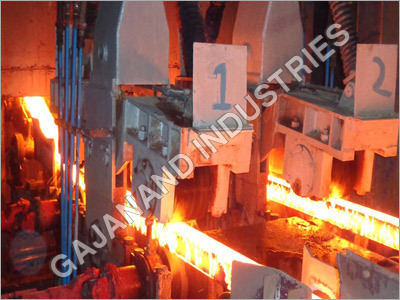
Tell us about your requirement

Price:
Quantity
Select Unit
- 50
- 100
- 200
- 250
- 500
- 1000+
Additional detail
Mobile number
Email

More Products in Steel Plant Category
Flying Shear Machine
Minimum Order Quantity : 1 Piece
Motor Power : 15 HP
Type : Flying Shear Machine
Temperature Range : Ambient to 60C
Automation Grade : Automatic
Computerized : Yes
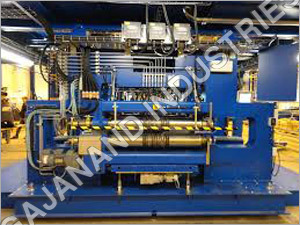
Industrial Thermax Plant
Minimum Order Quantity : 1 Piece
Motor Power : 7.5 HP
Type : Industrial Thermax Plant
Temperature Range : 10C to 60C
Automation Grade : Fully Automatic
Computerized : Yes
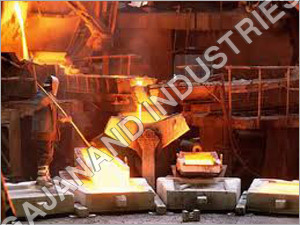
Ingot Making Steel Plant
Minimum Order Quantity : 1 Piece
Motor Power : 75 HP
Type : Ingot Making Steel Plant
Temperature Range : Up to 1650C
Automation Grade : Fully Automatic
Computerized : Yes
Reheating Furnace
Minimum Order Quantity : 1 Piece
Motor Power : As per project requirement
Type : Reheating Furnace
Temperature Range : 700C to 1300C
Automation Grade : Automatic
Computerized : Yes

 Send Inquiry


Our Products

26, Madhu Milan Estate, Naroda GIDC, Phase-I, Ahmedabad - 382330, Gujarat, India

Mr. Nikunj Bhavsar
(Proprietor )
Mobile :08045479309
 Send Inquiry
 Send SMS
Developed and Managed by Infocom Network Private Limited.
